Typography
Typography is an essential tool utilized by designers of all kinds. Designers can utilize existing typefaces for different situations or audiences, or work to create new typefaces. The lengthy history of typography begins around the early 15th century with the invention of moveable type and extends through today. Each period in history brings new needs and trends but, before we move to the future we should understand the fundamentals of typography.
Hey There!
Personalization is cool! Please enter your name:
The Basics
Before you embark on your journey into typography, it is important to be familiar with some key terms. These terms will be important to keep in mind as you navigate the other topics here.
- Typography
- Typography is the art of arranging a message in a readable and aesthetically pleasing composition.
- Typeface
- A typeface is the visual design of the letterforms.
- Font
- A font is the delivery mechanism of a typeface ( ie metal printing types, digital software).
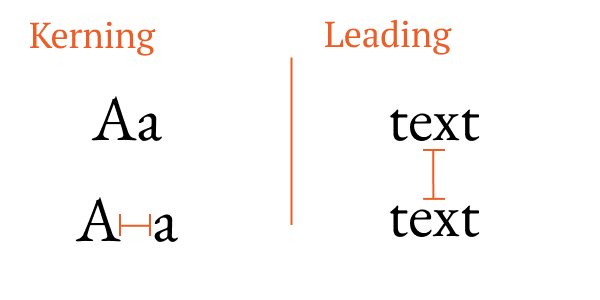
- Kerning
- Kerning is the spacing between individual letters.
- Leading
- Leading is the distance between two or more lines of text.
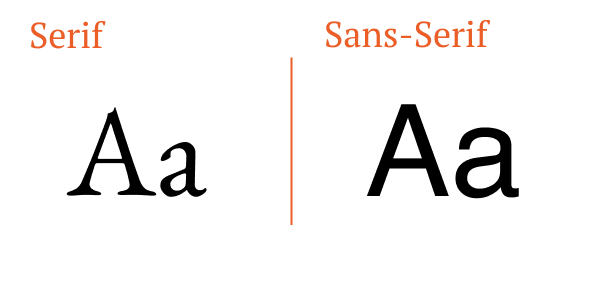
- Serif Typefaces
- A typeface which utilizes serifs, small line or stroke regularly attached to a larger line or stroke on the letterforms.
- Sans-Serif Typefaces
- A typeface which does not make use of serifs.
- Type Classifications
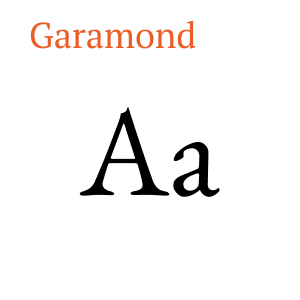
- Humanist
- Humanist styles were inspired by calligraphy and have smooth rounded forms.
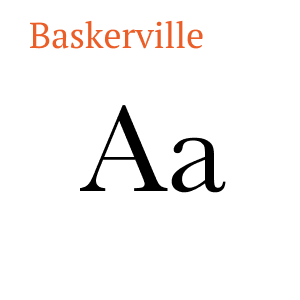
- Transitional
- Transitional styles developed int he mid-18th century and are the transition between Humanist and Modern styles. It has a combination of both Humanist and Modern typeface qualities.
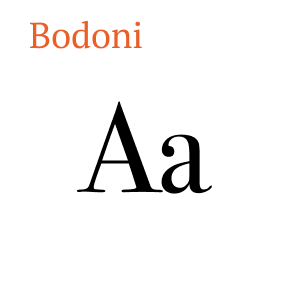
- Modern
- This style developed in the late 18th/early 19th century and can be recognized by sharp weight contrasts and less organic style.

There are three major styles of typefaces which are grouped together by several characteristics: their looks, the inspiration for them, the era they appeared in and their usage. Each of these styles can be considered serif or sans-serif.